Mastering Reality Bay: Merge Chains, Producers, and Smart Progression
Nov 02, 2026
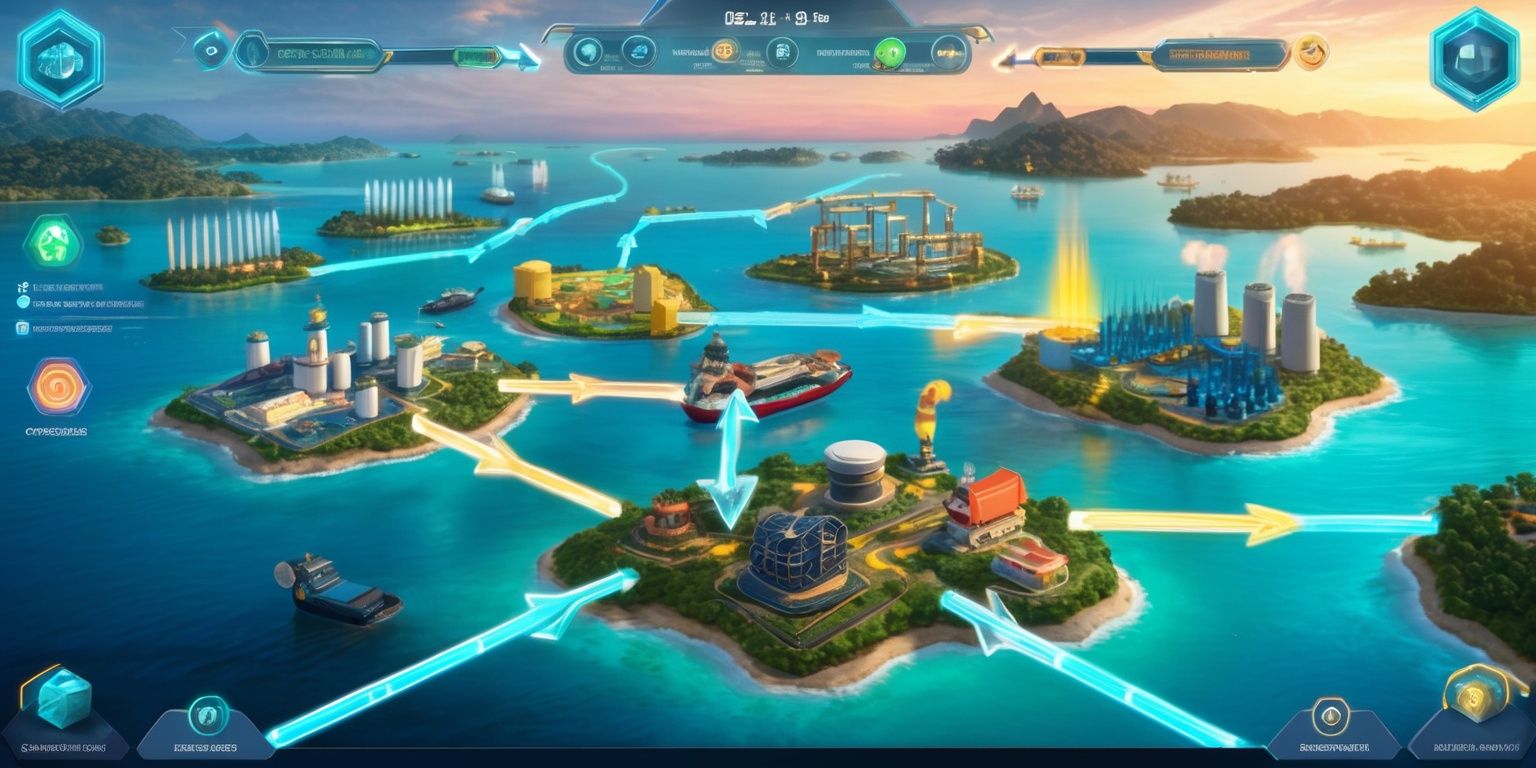
Reality Bay is built around a satisfying cycle of collecting, combining, and expanding, and the real secret to making smooth progress is learning how item chains behave. At first, the board may seem busy with scattered materials, producer objects, and requests waiting to be filled, but once you understand the logic behind each chain, the entire experience becomes much easier to control. Every merge can open a path toward a stronger item, a needed order piece, or even a new producer that changes how the board functions. That Here are a few unique rewrites that keep the same meaning and fit smoothly in a sentence: - **which is why a careful approach is so important** - **that’s why a considered approach matters so greatly** - **which makes a deliberate approach especially important** - **and that’s why taking a thoughtful approach is essential** If you want, I can also make it sound more **formal, natural, or academic** here. Instead of merging randomly, players who pay attention to patterns, item families, and available space can move through Reality Bay with far less friction and far more efficiency.
How merge chains shape the entire board
At the heart of Reality Bay is the idea of progression through identical items. Two matching pieces combine into one item of a higher tier, and this continues step by step until the chain reaches its upper limit. This simple structure gives the game its rhythm and also makes each object on the board feel like part of a larger path. A level 1 item does not matter only for what it A unique rewrite that keeps the meaning and fits the sentence is: **“is less about its current state and more about what it has the potential to become”** If you want, I can also give you: - a **more formal** version, - a **simpler** version, or - **3–5 alternative rewrites** after several merges. That creates an ongoing sense of planning. Players are constantly deciding whether to hold pieces, combine them now, or wait for a larger opportunity. Merge chains are more than a mechanic; they are the framework that keeps the whole board moving forward.
Reading item tiers with a practical eye
Each chain in Reality Bay has its own ladder of evolution, and learning to read that ladder early makes a huge difference. A pair of level 1 objects creates a level 2 result, two level 2 objects become a level 3 item, and the pattern repeats in clear steps. The value of this system lies in predictability. Once you know where an item belongs in its chain, you can better judge whether it should be saved for later or used immediately. Some chains are short and easy to finish, while others stretch much farther and require patience. Over time, the player starts recognizing which lines of progression are central to common orders and which ones lead to special outcomes, including producer-related rewards.
Why producers matter so much
Producers sit at the center of the resource flow in Reality Bay. These special objects can be tapped to create new materials, and the tiny Energy symbol on them signals that they are active parts of the economy on your board. Most taps consume Energy, so a producer Here’s a unique rewrite that keeps the meaning and fits the sentence: **“is more than a machine; it is a”** If you want, I can also give you **5–10 alternative rewrites** in different tones (formal, creative, academic, etc.) decision point. When used carefully, producers supply the exact raw items needed to continue a merge chain or complete a request. Some producers require repeated tapping before a result appears, which adds another layer of timing. Upgrading producer buildings or completing chain milestones can also unlock better sources, giving the board more reliable access to the items that keep progression moving.
Tapping, timing, and Energy management

A concise, unique rewrite that keeps the meaning is: **Energy is among the most vital systems.** If you want, I can also give you 5–10 alternative rewrites in different tones influencing how quickly you can advance. Since many producer taps require Energy, every tap should have a purpose attached to it. Using Energy without a clear goal can leave the board crowded with items that do not help your current orders. A more efficient approach is to tap only when a needed chain is in motion or when a specific item family has run low. This makes the board feel cleaner and prevents waste. In practice, good Energy management means balancing immediate needs with future demand. The strongest players tend to use their taps as part of a larger plan rather than as isolated actions.
Discovering new chains as you progress
Reality Bay gradually expands its item ecosystem as you move ahead, and that sense of discovery is one of the game’s most engaging features. New objects and producers appear over time, opening fresh chains that were not visible at the start. The first time you uncover an item, it is added to your Collection, which helps track what you have seen and what still remains unfamiliar. This design encourages ongoing exploration without feeling overwhelming. Even regular players may still encounter chains they have not fully unlocked. That wide range of possibilities gives the board more depth and makes every new discovery feel meaningful, especially when it leads to stronger options or more efficient production routes.
Building a board that stays readable
Board organization is one of the clearest ways to improve performance in Reality Bay. When items from the same family are kept near each other, spotting possible merges becomes far easier. That simple habit reduces mistakes and helps prevent accidental clutter. A messy board may contain plenty of value, but if the pieces are scattered randomly, Sure — here’s a unique rewrite that keeps the meaning and fits naturally in the sentence: **“it becomes significantly more difficult to determine what is”** If you want, I can also give you 5–10 alternative rewrites in different styles actually useful. Good arrangement also supports quicker decisions when an order appears. Instead of searching across the board, you can immediately identify matching pieces and act on them. The layout you choose Here’s a unique rewrite that keeps the meaning and fits naturally in the sentence: **“is integrated into your strategy, rather than being merely a”** If you want, I can also give you: - a **more natural** version, - a **more formal** version, or - **3–5 alternative rewrites** cosmetic choice, and it strongly affects how fluid the game feels.
Knowing when not to merge immediately
It can be tempting to always move items up the chain as soon as possible, but Reality Bay rewards restraint in many situations. If an active order requests a mid-tier item, merging too far beyond that point may create extra work later. Saving a useful intermediate piece can be smarter than converting it right away. Some of these mid-level items take significant time and Energy to recreate, so their practical value may be higher than their apparent rank suggests. This is especially true when the board is already under pressure from multiple requests. Careful players often keep several useful stages on hand, even if the board shows available merge options, because the current order structure matters more than automatic upgrading.
Orders as the engine of progress
Active orders give Reality Bay its immediate sense of direction. They tell you what the game wants now, and they influence nearly every decision around tapping and merging. Rather than spending Energy on objects that may be useful someday, it is often better to focus on the pieces needed for current production requests. That approach keeps rewards flowing and prevents the board from filling with irrelevant extras. Orders also help define the importance of each chain, because not every chain matters equally at every moment. A player who stays responsive to order demands can move through the game with more consistency, using each merge as a targeted action instead of a guess.
Unlocking board space as a strategic priority
New slots on the board are valuable not just for convenience, but for strategic freedom. More space means more room to hold items waiting for the right merge, more flexibility when producers create unexpected materials, and more room to organize chains by family. In Reality Bay, opening additional slots should be treated as a major priority whenever possible. Limited space can force rushed merges, which may reduce efficiency or complicate order planning. Expanded space, by contrast, gives you time to think. It makes the board less stressful and allows you to store useful pieces without losing track of them. As more chains become available, that extra room becomes even more important.
Collections, inventory, and long-term planning
The Collection system gives the game a strong sense of long-term structure. Whenever you discover a new item, it is recorded there, helping you keep track of your progress across many different chains. This matters because Reality Bay eventually grows into a broad network of items, producers, and upgrade paths. Inventory slots also become increasingly valuable as the game opens up. Stored items can serve as a reserve for future requests or as placeholders while you wait for the right pieces to appear. Thinking ahead helps you avoid bottlenecks, especially when a difficult order suddenly requires something you have not produced in a while. The more familiar you become with each chain, the easier it is to plan around these demands.
What makes the experience feel engaging
Reality Bay works because it combines clarity with gradual complexity. The merge rules are easy to understand, but the consequences of each choice grow richer as more chains unlock. The game has a tactile satisfaction to it, especially when several pieces finally come together into a higher-tier item after careful buildup. Visually, the board-to-object relationship keeps the experience readable, while the producer system adds motion and variety. Functional design and aesthetic neatness support each other well here. Every item has a role, every producer has a purpose, and every slot can become important depending on your current goals. That balance creates Here are a few 100% original rewrites that keep the same sense and fit smoothly into a sentence: - **a consistent feeling of forward progress without making the** - **a continual sense of movement ahead without making the** - **a stable feeling of progress without making the** - **an ongoing sense of forward drive without making the** - **a smooth sense of momentum without making the** If you want, I can also make it: 1. **more natural**, 2. **more formal**, or 3. **match the exact tone of your full sentence** experience feel chaotic.