Unearthing Shadows: Tactical Combat and Haunting Narratives in The Relic: First Guardian
Oct 16, 2026
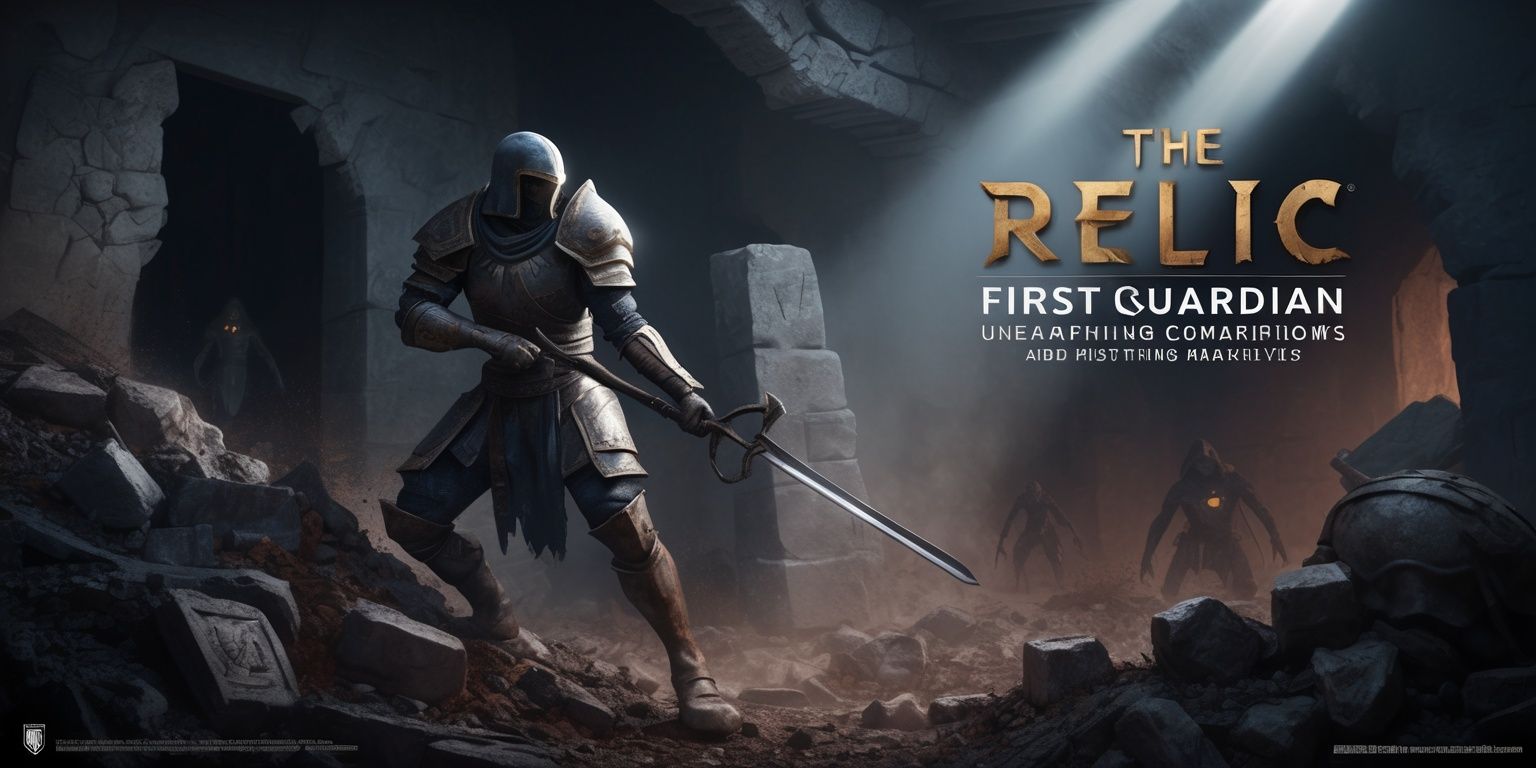
In a realm saturated with challenges and echoes of legendary adventures, The Relic: First Guardian dares to set its footprint among modern action titles. While its inspirations seem drawn heavily from some Among the genre's most highly esteemed figures, the experience manifests as an ambitious patchwork of high-octane combat, intricate exploration, and narrative echoes that strive to resonate emotionally yet occasionally stumble in execution. The game beckons with its promise of diverse encounters and environmental storytelling, inviting players to unravel its many layers as they traverse eerie landscapes and engage in duel-like showdowns. Its creative spirit is evident in moments of glimmering brilliance, even as technical missteps and design oversights punctuate the journey with moments of unintentional frustration.
Technically Diverse Combat Mechanics
The combat in The Relic: First Guardian offers a blend of calculated strikes and precisely timed defenses. Each weapon available brings a unique rhythmic cadence to the fray, demanding that players learn a series of deliberate movements rather than mindlessly mashing buttons. The requirement for timely follow-up moves creates a dynamic where every engagement feels like a carefully choreographed duel against adversity. Players must gauge the appropriate moment for an offensive push or a measured parry, as defensive maneuvers sap stamina while leaving openings vulnerable. Although these mechanics introduce a measured sense of strategy and planning, the overall responsiveness occasionally lags, testing the learner’s patience. The satisfaction that emerges after mastering a weapon’s intricacies is palpable, even though early encounters sometimes feel more laborious than exhilarating.
Immersive but Flawed World Design
The landscapes of The Relic evoke a haunting atmosphere reminiscent of forgotten realms, featuring crumbling fortresses and abandoned settlements that seem suspended in time. As players traverse through eerie ghost towns and dense, color-shifted forests, the game relies on environmental cues to establish distinct zones. Regions vary by subtle shifts in hue—from a minty green in dense woodlands to a yellow-tinged glow over expansive hills, and even a challenging orangey tint in scorched villages that muddles visual clarity. Despite these artistic intentions, the world design can sometimes feel monotonous due to repetitive structures and overused visual templates. Although the exploration is a treasure hunt for hidden lore and pathways, occasional navigation setbacks and misplaced fast travel points mar the fluidity of movement through the realm.
Narrative Threads in the Environment
A captivating element of the game is found in its commitment to weaving stories through the environment. Scattered relics of the past, such as abandoned carts and cryptic notes, create a breadcrumb trail leading players into side quests and forgotten narratives. Along winding paths and darkened corridors, the player discovers relics of long-gone lives and the emotional weight of loss, which add depth to an otherwise sparse storytelling approach. Although many of these vignettes borrow from folklore traditions, they are periodically marred by a haphazard translation of dialogue and narrative details. The constant bombardment of text can dilute the intended impact, yet it is hard to be unmoved by the melancholic tone that punctuates these subtle historical echoes. Each environmental clue nudges the player tasked with reassembling the scattered fragments of a once-vibrant social tapestry.
Side Narratives and Emotional Resonance
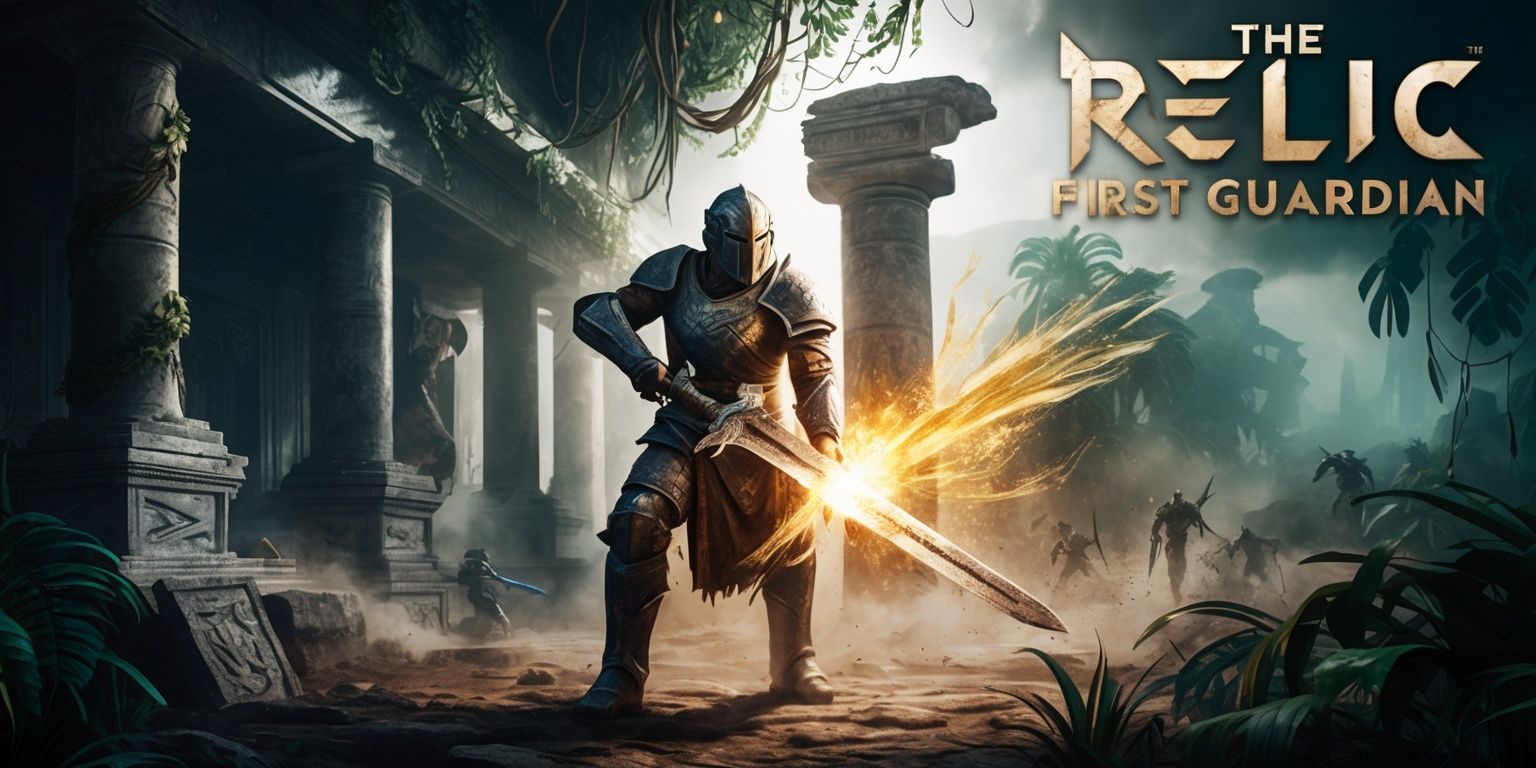
The game frequently ventures into side narratives that aim to evoke emotional responses from players. Tales of love lost, valiant quests turned tragic, and familial bonds tested by time pepper the journey, offering moments of heartbreak and quiet reflection amidst the chaos. For instance, a poignant narrative following a distressed partner searching for a missing love unfolds in a manner that intertwines folklore with personal grief. Such narratives lend a bittersweet layer to the overall experience, showcasing both the beauty and brutality of the game’s world. Yet, the storytelling approach sometimes feels overwrought, as repetitive motifs and clumsy dialogue sequences detract from the intended emotional impact. Nonetheless, players who immerse themselves in these subplots will find occasional moments of true empathy interwoven with the broader tapestry of struggle.
Looting and the Economy of Exploration
In The Relic: First Guardian, exploration has its rewards, yet the economy of in-game loot is a study in minimalism. As players traverse rolling hills, dank dungeons, and shadowed caverns, pockets of gold and treasure are scattered throughout the terrain. Many caches, however, contain only modest amounts of gold, which at times can seem inconsequential compared to the effort invested in their discovery. Occasional larger stashes placed behind guarded chests or hidden pathways spark hope, but the consistent drop rate remains modest overall. The system encourages methodical exploration, yet also discourages the joy of reward, as a surplus of easily acquired riches quickly saturates a player’s inventory. This approach to looting forces a careful consideration of resource management, even if it occasionally undermines the thrill of venturing into the unknown.
Aesthetics Driven by Color and Detailing
The visual presentation of the game is defined by its distinct use of muted palettes and occasional bursts of disconcerting color. Character models often appear as either subdued reimaginings of medieval archetypes or oddly rendered figures whose designs hint at creativity but fall short of full execution. Facial animations and environmental details mimic a low-resolution aesthetic, reminiscent of earlier generation effects, which may underwhelm those expecting contemporary polish. Yet, the approach is not without merit. The interplay of light and shadow, even in the simplest of settings, creates a brooding atmosphere that complements the game’s overall narrative tone. Despite the technical constraints and occasional artistic miscalculations, the visual style imbues the experience with a peculiar charm that hints at hidden depths beneath the surface imperfections.
Dialogues, Voice Overs and Localization Hurdles
Conversations in The Relic are a patchwork of sprawling dialogue and sporadic environmental storytelling, where characters often spill endless sequences of text that seem to extend well beyond natural conversation. While the intent is to saturate the world with lore and character insights, the execution can feel overwhelming, particularly as the captioned text sometimes diverges sharply from voice performances. The variance in quality among different voice actors further muddles an already fragmented narrative effort. In several instances, one is left questioning if the dialogue was processed through machine translation without the nuanced touch of skilled localization. This inconsistency not only dilutes the emotional impact of key story beats but also distracts from the immersive qualities that the game strives to achieve. The auditory and textual dissonance remains a persistent challenge in maintaining narrative coherence.
Tactical Encounters with Menacing Foes
Combat encounters in the world of The Relic challenge players to think tactically, especially when facing clusters of adversaries that force an adaptive strategy. Enemies, ranging from hordes of lesser threats to intricately designed mini-bosses, are programmed to press the advantage when coordinated in groups. Although individual foes may not test the limits of the player’s skill, their collective behavior demands rapid decision-making and positional awareness. The lock-on system, however, sometimes falters in its precision, compelling players to juggle multiple targets simultaneously. Such situational challenges require careful resource management, patience, and a readiness to adapt strategies "in real time. The intrinsic variability of each" encounter creates a dynamic atmosphere, even if the fleeting moments of tactical insight are often overshadowed by the occasional misalignment of targeting mechanics.
Weapon Skills, Rhythm and Custom Playstyles
The game introduces an intricate system of weapon skills that offers distinct advantages depending on the chosen arsenal. Each weapon is equipped with its own set of abilities, which can be developed through a dual-path ability ladder. This framework urges gamers to try out various approaches while progressing through their development variable approaches—whether that means emphasizing close-quarters aggression or mastering long-range spells. As players invest in unlocking additional moves, the combat rhythm evolves into a more refined and multifaceted experience, though the steep cost for skill points restricts exploration of alternative techniques until later in the game. The respec option, available through particular in-game items, adds a layer of flexibility that can be critical when confronting new and unforeseen challenges. Even as the unlockable abilities add depth to combat, their full potential only becomes evident through relentless trial and error, demanding both patience and strategic foresight.
Equipment Synergy and Personalized Relics
The equipment system within The Relic blends functionality with a degree of strategic customization, enabling players to tailor their combat experience. Every armament carries its unique passive attributes, alongside potential drawbacks that influence how one approaches combat encounters. For instance, wielding a massive two-handed weapon might reduce the stamina required for blocking while simultaneously taxing the ability to evade quickly—a trade-off that impacts overall playstyle dramatically. Additionally, relics serve as special enhancers, offering modifications that can elevate hit points, boost defenses, or introduce novel effects like momentary invulnerability during critical moments. The interplay between these relics and skill-based combat forms a complex matrix that motivates players to experiment with diverse loadouts, ultimately crafting a personalized path through the game’s multifaceted challenges. Even the act of redistributing these relic points is designed to encourage tactical fluidity amidst evolving combat scenarios.