Digital Dilemma: The Future of Gaming Beyond Physical Ownership
Sep 02, 2026
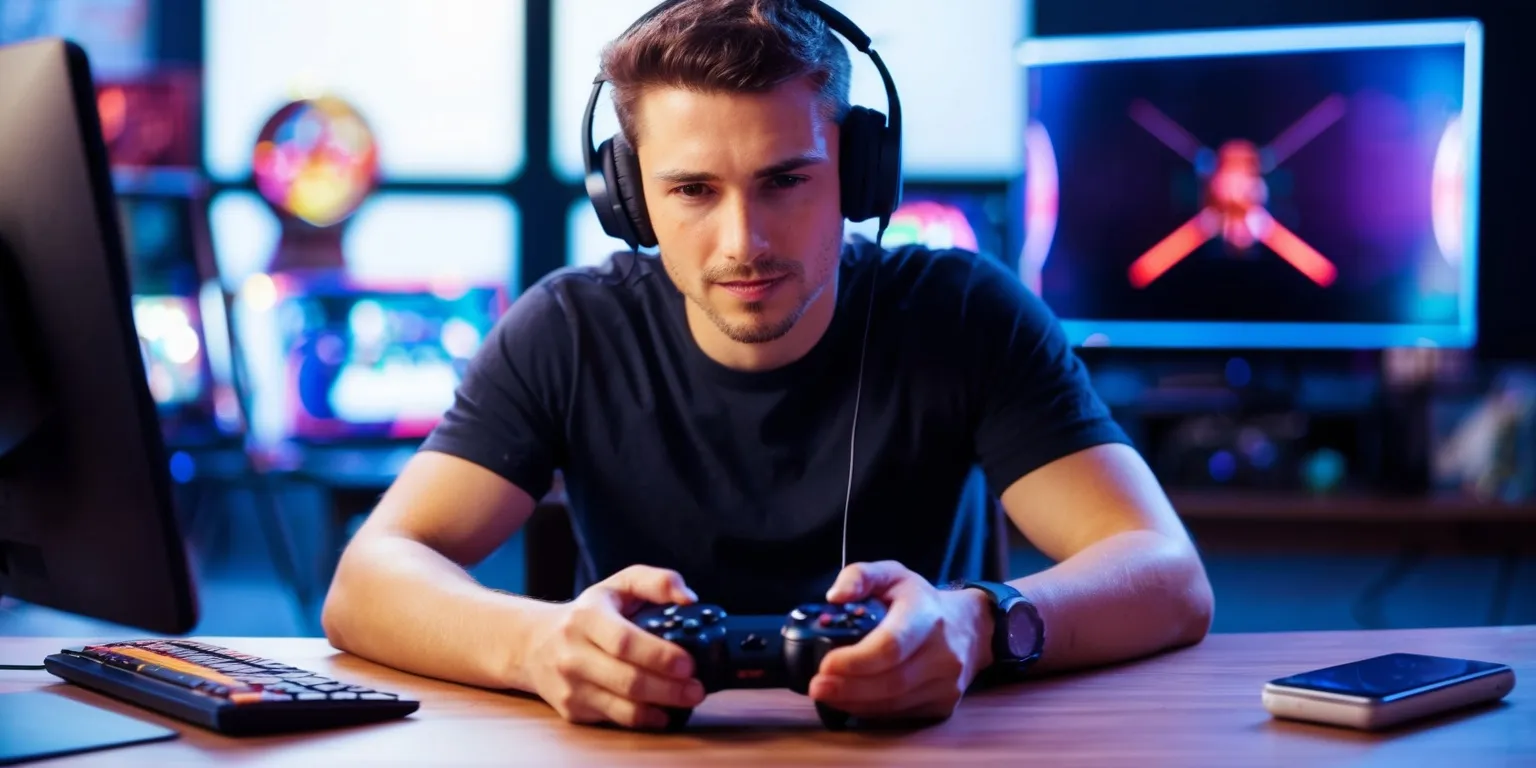
The recent move by a prominent gaming company to phase out tangible game copies has stirred considerable controversy within the community. Many enthusiasts are distressed over the eventual disappearance of physical collections, a sentiment rooted in nostalgia for older gaming systems and a nostalgic attachment to tangible discs. Other consumers are concerned about losing the option to shop at the most affordable outlets, while a segment of the audience worries that digital purchases may lack long‐term security.
The company in question remains resolute in its strategy, arguing that digital items do not offer genuine ownership and thus command a higher price that boosts revenue. However, this pivot has not been well-received by every developer. Industry experts note that smaller title creators, whose work often thrives on the appeal of collectible physical editions, voice particular discontent. Their earnings heavily rely on sales of physical editions, a reality that appears to be jeopardized by this decision.
At a major gaming event, several developers expressed their frustration regarding this policy change. The grievances they shared can be summarized as follows:
- Dependence on physical sales to generate significant returns.
- Disproportionate impact on smaller, innovative projects compared to large-scale productions.
- Growing interest in alternative platforms as a response to reduced support.
Industry analysts now warn that these developments may have broader implications on the lineup of games available for the company's consoles. In an interesting twist, this challenge might prove advantageous for competing platforms. Credible voices within the gaming media have also remarked that these concerns are well-founded and not mere speculation.
This evolving scenario raises important questions about whether creators who largely depend on physical game sales will increasingly seek opportunities with alternative companies, potentially shifting the balance in the gaming market.